Why Social Proof Is the Secret to Higher Conversion Rates
Marketing & Growth Associate
On this page▾
Attracting new customers is only half the challenge. Whether someone is booking their first salon appointment or choosing a real estate agent, they want reassurance before making a decision. Social proof bridges that gap by turning genuine customer reviews, testimonials, and recommendations into reasons to trust your business. Used strategically, these experiences strengthen your reputation and give potential customers the confidence to take the next step.
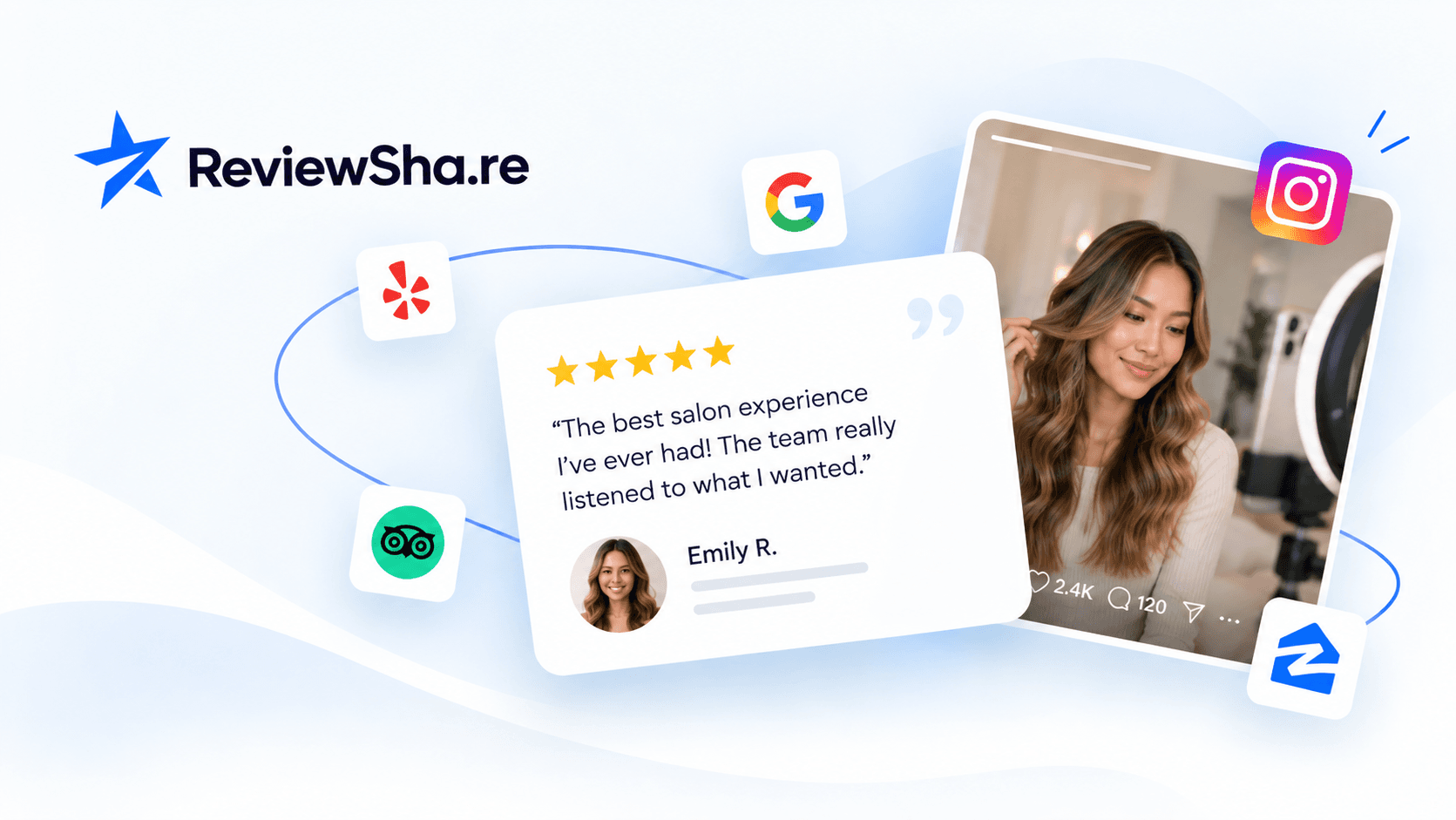
Imagine you're looking for a new hair salon. You've narrowed your options to two businesses offering similar services at comparable prices. Both have attractive websites, experienced stylists, and convenient locations. But one salon has something the other doesn't: detailed Google reviews, client testimonials, and Instagram posts showing real customer experiences.
Which one would you feel more comfortable booking?
The difference isn't necessarily the quality of the service. It's the evidence available to support your decision.
The same principle applies when choosing a real estate agent, hiring a home cleaning company, or booking an appointment with a local professional. Customers want to know what to expect before committing their time or money.
That's where social proof comes in. Customer reviews, testimonials, recommendations, and social media mentions turn previous customer experiences into information that influences future purchasing decisions.
But collecting positive reviews is only the beginning. The real opportunity lies in making those experiences relevant and accessible wherever potential customers are deciding whether to trust your business.
What Is Social Proof in Marketing?
Social proof is a psychological phenomenon in which people look to the actions, opinions, and experiences of others to guide their own decisions, particularly when they are uncertain about what to choose.
Popularized by psychologist Robert Cialdini, the concept explains why people often rely on others' behavior as a signal of what is appropriate, reliable, or worth considering.
In marketing, social proof refers to evidence that other people have purchased, experienced, recommended, or endorsed a product or service.
This evidence appears in many forms, including Google reviews, customer testimonials, social media recommendations, expert endorsements, and user-generated content.
For example, a real estate agency might describe its agents as knowledgeable and responsive. That's a marketing claim. A testimonial from a homeowner explaining how an agent handled negotiations, communicated throughout the process, and successfully closed a sale gives potential clients a clearer understanding of what working with that agency is like.
Both communicate value, but they carry different kinds of credibility.
How Social Proof Differs From Traditional Advertising
Traditional advertising focuses on what a business wants customers to know. Social proof introduces the perspective of people who have already interacted with that business.
A salon can advertise its experienced stylists, premium products, and personalized services. Meanwhile, a customer's review describing how a stylist understood their preferences and delivered the haircut they wanted offers a firsthand perspective.
Customers understand that businesses naturally present themselves positively. Independent experiences provide an additional reference point.
Social proof doesn't replace advertising. It strengthens marketing messages by supporting them with genuine customer experiences.
Why Does Social Proof Increase Conversion Rates?
Social proof influences purchasing decisions by building credibility, reducing hesitation, and giving customers evidence of real experiences.
Research from Northwestern University's Spiegel Research Center found that products displaying five reviews had a 270% higher purchase likelihood than products with no reviews.
Social proof supports conversions in three key ways:
- Reduces purchasing uncertainty: Reviews and testimonials answer questions about service quality, reliability, and customer experiences before someone makes a decision.
- Builds credibility: Positive feedback from real customers gives unfamiliar businesses a stronger reputation and provides evidence beyond their own marketing claims.
- Encourages action: Relevant testimonials near booking forms, service pages, and purchase buttons provide reassurance when customers are ready to convert.
The value of social proof isn't just in having positive reviews. It's in showing the right customer experiences at the right stage of the buying journey.
6 Types of Social Proof That Build Customer Trust
From online reviews and customer testimonials to social media recommendations and professional endorsements, social proof takes many forms. Each provides a different reason for potential customers to trust a business.
Here are six types of social proof businesses can use to strengthen their reputation and influence purchasing decisions.
1. Real Customer Reviews and Testimonials
Customer reviews provide firsthand evidence of a business's service quality, reliability, and customer experience. They give potential buyers a clearer idea of what to expect before making a decision.
For example, someone searching for a real estate agent may feel more confident after reading detailed testimonials from previous homebuyers and sellers than relying solely on the agency's promotional claims.
Common examples include:
- Google, Yelp, TripAdvisor, and Zillow reviews
- Customer ratings and written testimonials
- Video testimonials from satisfied clients
- Reviews displayed through website widgets
- Customer experiences featured on a Wall of Love
2. Popularity and Customer Engagement
A business with an established customer base and active online engagement often appears more credible to new visitors. Review counts, social media interactions, and customer activity provide visible signals of popularity.
For instance, a salon with 800 Google reviews may appear more established than one with only 20, encouraging potential customers to explore its services further.
Common examples include:
- Number of Google reviews and customer ratings
- Social media followers, likes, comments, and shares
- Views and engagement on customer-generated videos
- Number of customers served or appointments completed
- Subscriber counts and community membership
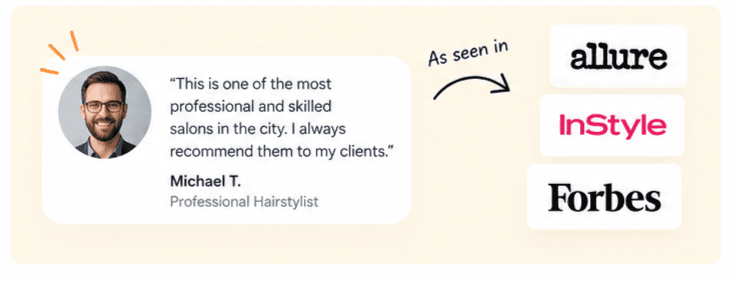
3. Industry Experts and Professional Endorsements
Recommendations from recognized professionals carry credibility because customers value opinions backed by relevant knowledge and experience.
For example, a professional hairstylist recommending a haircare treatment or an experienced property specialist endorsing a real estate service can influence customers evaluating unfamiliar options.
Common examples include:
- Recommendations from industry professionals
- Expert reviews of products or services
- Interviews and quotes from recognized specialists
- Mentions in professional publications
- Endorsements from relevant industry organizations
4. Influencer Reviews and Social Media Recommendations
Influencer reviews introduce businesses to audiences that already follow and engage with a creator's content. For local businesses, recommendations from creators with relevant audiences can be more valuable than endorsements based on follower count alone.
For example, a beauty influencer reviewing a local salon can introduce the business to potential clients who are actively interested in haircare and styling services.
Common examples include:
- Instagram Reels and TikTok reviews
- YouTube videos featuring a business or service
- Influencer recommendations and testimonials
- Sponsored collaborations and brand partnerships
- Creator-generated content shared on business websites
5. Word-of-Mouth and Community Referrals
Recommendations from friends, family members, and local communities influence purchasing decisions because they come from familiar or relatable sources.
For example, someone buying their first home may trust a friend's recommendation of a real estate agent who successfully guided them through a similar experience.
Today, word-of-mouth extends beyond personal conversations into online communities where customers exchange recommendations and experiences.
Common examples include:
- Personal recommendations from friends and family
- Referrals from existing customers
- Recommendations in local Facebook groups
- Discussions on community forums and neighborhood platforms
- Customer experiences shared in professional networks
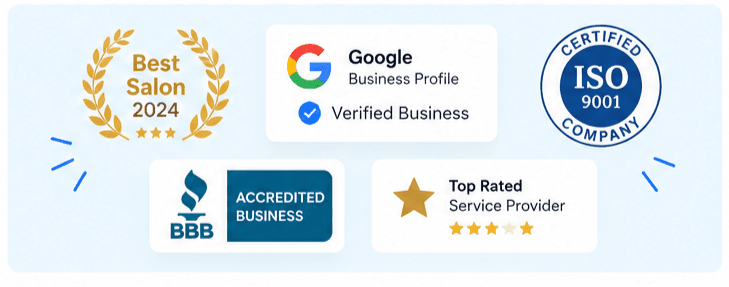
6. Awards, Certifications, and Trust Signals
Professional certifications, awards, and third-party recognition establish credibility by demonstrating qualifications, achievements, or compliance with recognized standards.
For example, a licensed electrician's credentials provide reassurance about professional qualifications, while industry recognition can strengthen a real estate agency's reputation.
Unlike customer reviews, which describe firsthand experiences, these signals provide independent evidence of professional credibility.
Common examples include:
- Professional licenses and industry certifications
- Business awards and industry recognition
- Accreditation from professional organizations
- Features in reputable publications
- Verified memberships in professional associations
Why Scattered Customer Reviews Limit Your Marketing
For many local businesses, the challenge isn't a lack of customer feedback. It's that valuable experiences are distributed across platforms that potential customers may never explore together.
A real estate agency might receive detailed reviews on Zillow and Google, while previous clients also share recommendations through Facebook or other social channels.
A salon may have positive Google reviews, client testimonials collected directly, and customer-created content on Instagram.
Together, these experiences contribute to the business's reputation. Separately, they may tell only part of the story.
Someone visiting a website could see a few testimonials without realizing that the business has a much broader history of customer experiences.
This creates a gap between the reputation a business has earned and the reputation it presents during the buying journey.
Centralizing customer feedback makes it easier to organize experiences, select relevant testimonials, and present social proof across different marketing channels.
It also reduces the need for customers to move between multiple platforms simply to understand what others think about a business.
Turn Customer Experiences Into Marketing Assets With ReviewShare
Customer reviews, testimonials, and social media recommendations already influence how people discover and evaluate businesses. The challenge is making those experiences visible beyond the platforms where they originally appeared.
ReviewShare is a review aggregation and social proof platform that brings customer experiences together in a single branded destination.
Businesses can connect supported review platforms, add direct testimonials, organize customer feedback, and create a customizable Review Page that reflects their brand.
Through embeddable website widgets, businesses can showcase selected reviews on landing pages, service pages, and other important conversion points.
ReviewShare also supports adding social content from platforms such as Instagram and YouTube, allowing businesses to present customer experiences beyond traditional star ratings.
A branded Review Page can be shared through websites, social media bios, email campaigns, and direct customer communications, making existing social proof easier to discover.
For a real estate agency, this could mean bringing Google and Zillow reviews together with client testimonials. A salon could combine platform reviews with customer stories and supported social posts to present a more complete picture of its reputation.
Instead of treating customer feedback as isolated ratings, ReviewShare makes it possible to organize and showcase those experiences as part of a connected marketing strategy.
FAQs
What is social proof in marketing?
Social proof is the use of other people's experiences, opinions, recommendations, or actions to influence purchasing decisions. Common examples include customer reviews, testimonials, social media recommendations, expert endorsements, and ratings. Businesses use social proof to establish credibility and give potential customers additional information before making a decision.
How does social proof increase conversion rates?
Social proof can increase conversion rates by reducing uncertainty and giving customers greater confidence in a product or service. Relevant reviews and testimonials answer questions about quality, reliability, and previous customer experiences. Its effectiveness depends on factors such as authenticity, relevance, placement, and the overall customer experience.
What are the six types of social proof?
Six commonly recognized types are customer or user social proof, the wisdom of the crowd, expert recommendations, celebrity or influencer endorsements, recommendations from friends, and certifications or authority-based recognition. Each contributes to credibility differently, from demonstrating popularity to establishing professional expertise.
Where should local businesses display customer reviews?
Local businesses should display relevant customer reviews on homepages, landing pages, service pages, and near important conversion points such as booking forms. Testimonials can also be shared through social media, email campaigns, and branded review pages. The most effective placement depends on the information customers need before making a decision.
How does ReviewShare help businesses use social proof?
ReviewShare brings customer reviews, testimonials, and supported social content together into a customizable branded Review Page. Businesses can organize customer experiences, showcase reviews through embeddable website widgets, and share their reputation across marketing channels. This makes existing social proof more accessible to prospective customers throughout the buying journey.